


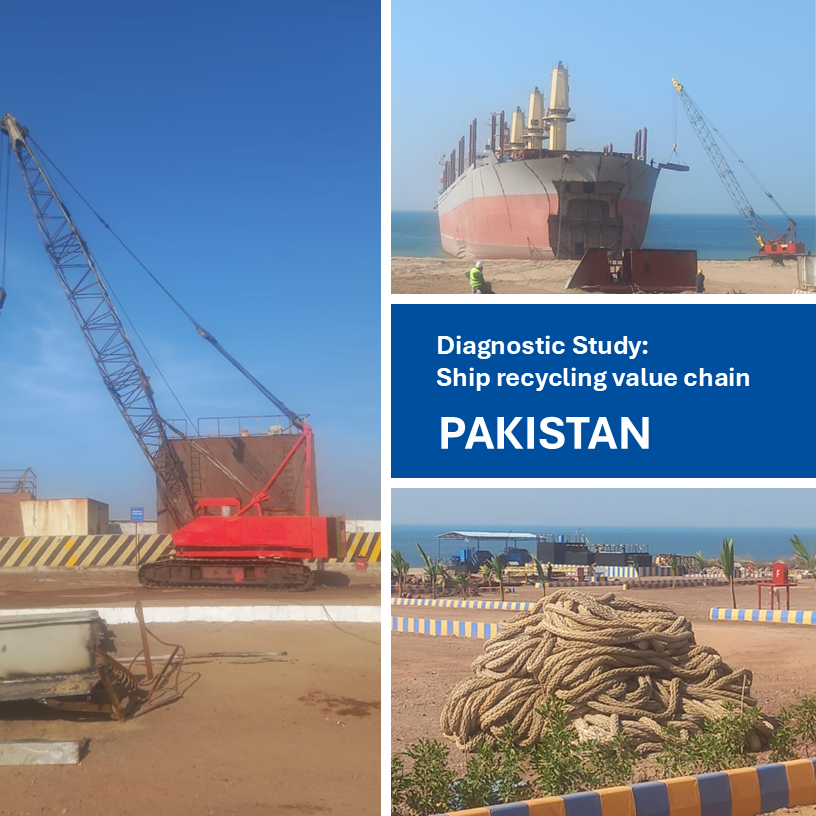
A new diagnostic study has provided insights into Pakistan’s ship recycling sector, highlighting opportunities to strengthen labour conditions, occupational safety and health (OSH) systems and overall value chain performance.
The findings were shared during an online national stakeholder workshop held on 16 March 2026, which brought together representatives from government, industry and United Nations agencies.
Attendees included Mr. Nimra Khan from the Office of Director General Ports and Shipping in the Ministry of Maritime Affairs; Mr. Javed Khan, Chairman of the Balochistan Development Authority; Mr. Asif Khan, Secretary General, Pakistan Ship Breakers Association (PSBA) and technical officers from the International Labour Organization (ILO) and the International Maritime Organization (IMO).
The study reviews the full ship recycling value chain, from dismantling operations to downstream processing and offers a comprehensive overview of current practices, institutional arrangements and areas for improvement.
Across the sector, the report identifies opportunities to strengthen OSH management systems at both enterprise and sectoral levels, enhance worker awareness and training, and promote more structured mechanisms for worker representation and social dialogue. It also highlights the importance of expanding access to formal employment arrangements, social protection systems, and effective labour inspection.
In downstream segments, the study points to similar priorities, including improving working hours management, reinforcing safety and health practices, and supporting ongoing efforts toward greater formalisation of work contracts.
Although the study is not yet published, its insights are already shaping the current phase of the SENSREC-DW Project. Efforts are focused on strengthening social dialogue, promoting decent work, and improving occupational safety and health across the sector.
The findings highlight the sector’s essential role in driving economic activity and offer practical steps to support its growth, in line with international best practices and the Hong Kong Convention.
Looking ahead, the study will help inform the development of a National Action Plan for Pakistan and has pinpointed opportunities for future project engagement, setting the stage for the next phase of work.