


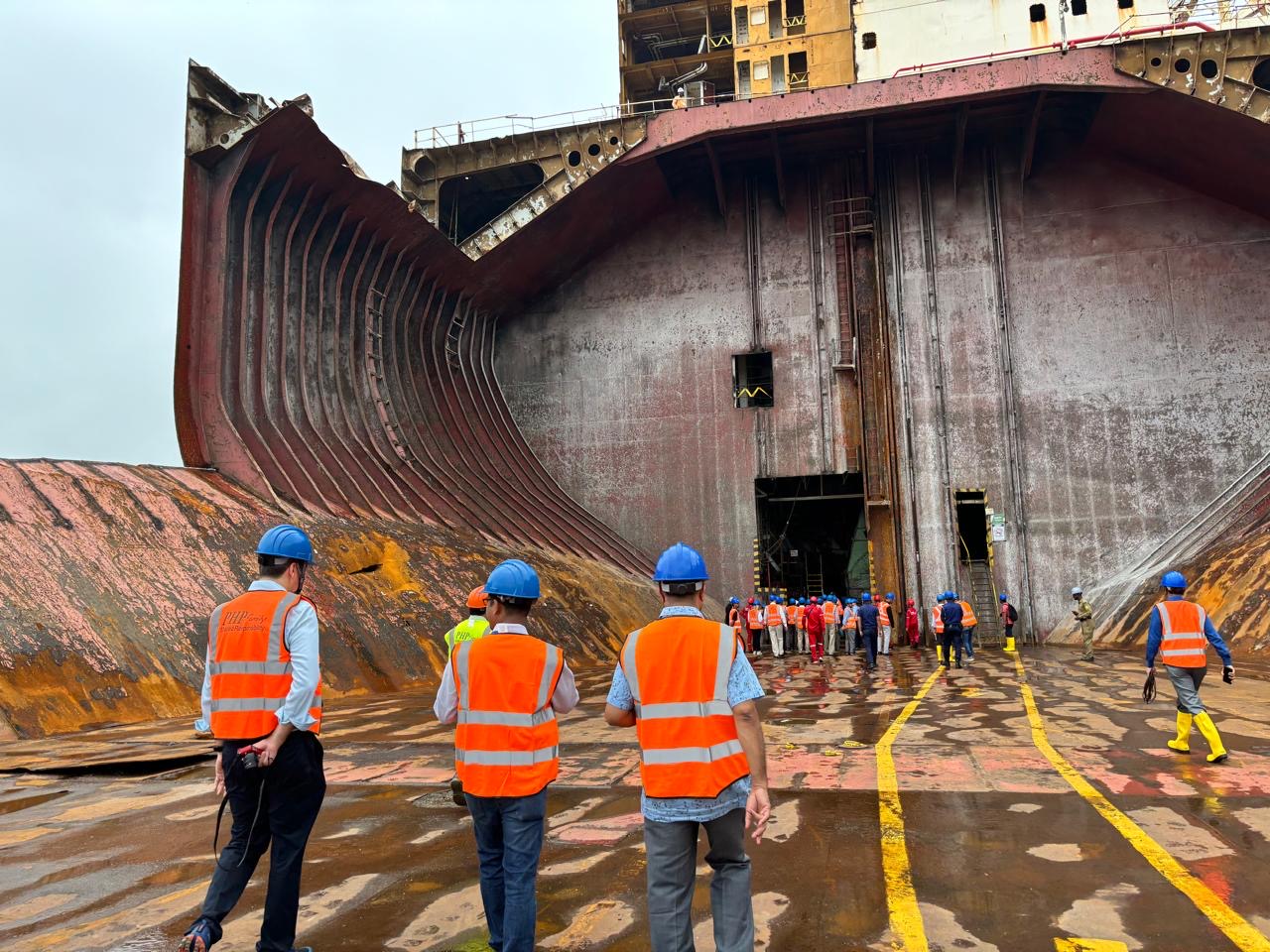
Bangladesh, in conjunction with the International Maritime Organization (IMO), the International Labour Organization (ILO) and with support from the Government of Norway, has held consultations on SENSREC-DW Phase 4 with an inception workshop in Dhaka on 29 October 2025. The event drew participation from government officials, national stakeholders and international partners to hear and engage with plans for the next stage of safe and sustainable ship recycling in the country.
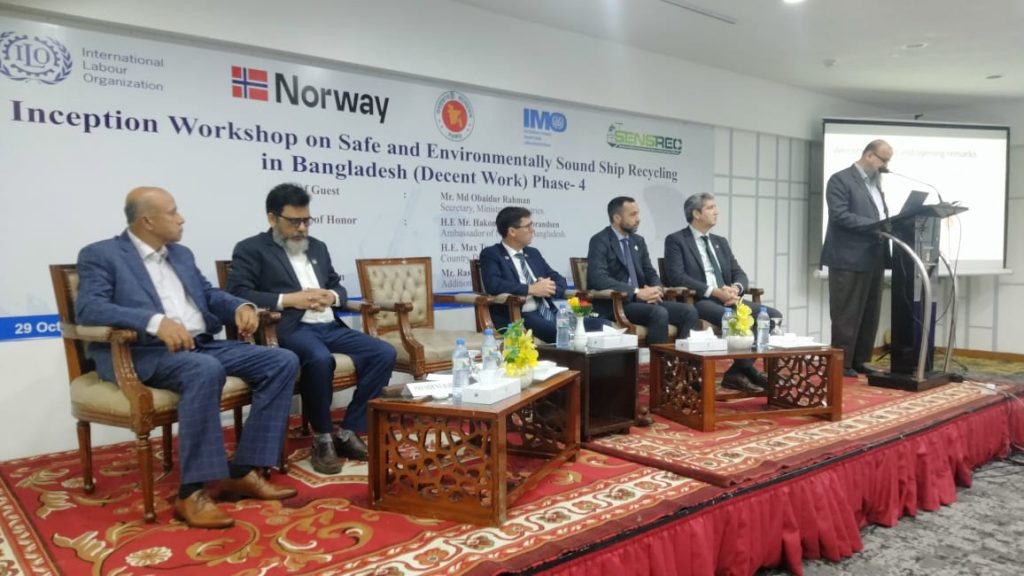
The Phase 4 inception meeting followed the Phase 3 closing workshop held earlier in the week, during which the country’s progress toward alignment with the Hong Kong International Convention for the Safe and Environmentally Sound Recycling of Ships (HKC) was reviewed.
During his opening remarks, the Ambassador of Norway to Bangladesh, His Excellency Mr. Håkon Arald Gulbrandsen noted SENSREC’s progress and looked forward to further cooperation with the IMO project. Mr. Obaidur Rahman, Secretary in the Ministry of Industries emphasized the importance of aligning Bangladesh’s ship recycling sector with the HKC and other IMO instruments.
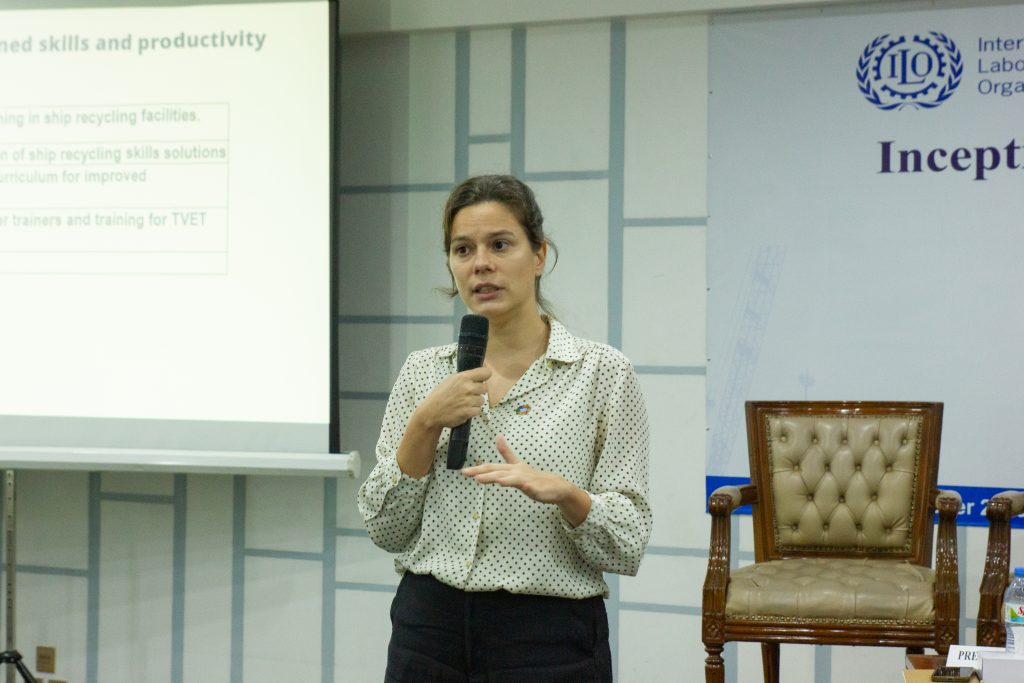
Representatives from ILO apprised the meeting of their initiatives related to ship recycling while Mr. ASM Shafiul Alam Talukder, Director General, Bangladesh Ship Recycling Board addressed governance of the sector in Bangladesh in relation to the Board’s remit. There were further contributions from the Ministry of Environment, Forests and Climate Change as well as the Ministry of Labour and Employment which touched upon the social and workforce dimensions of the project.
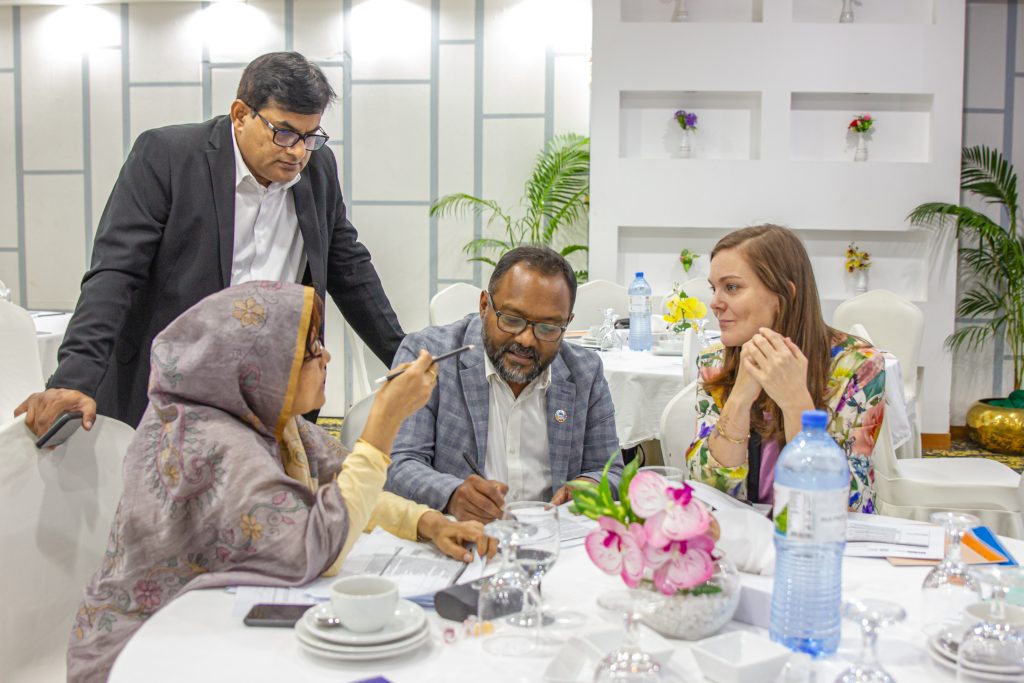
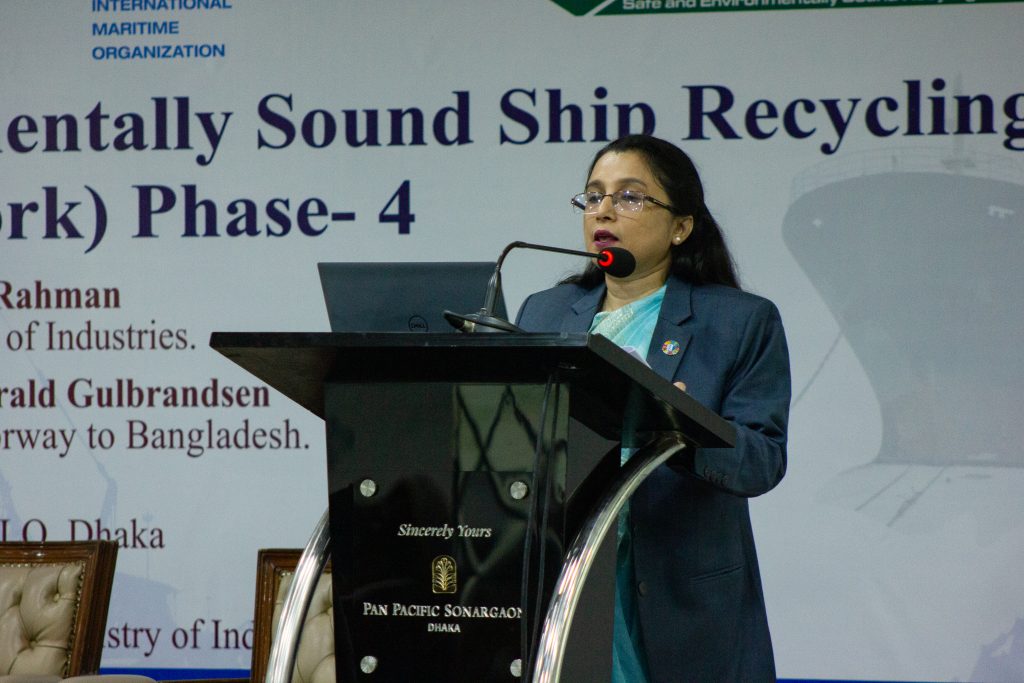
SENSREC’s National Project Director, Ms. Nurun Nahar, who is also a Deputy Secretary in the Ministry of Industries, presented a recap of Phase 3 activities related to technical assessments, feasibility studies, and advances in hazardous material management. Ms. Nahar linked these to upcoming activities.
Phase 4 will focus on legal, policy, and institutional reforms that will support national legislation and regulation development to ensure the sector complies with HKC standards. Other key priorities include strengthening occupational safety and health and improving hazardous material management. These will build upon guidance developed in Phase 3 on hazmat processing, transport systems and tariff frameworks.
The project continues to foster strong collaboration with national stakeholders at all levels, with the Ministry of Labour and Employment joining the Executive Committee to reinforce the central role of human and workforce considerations. Meanwhile, institutional sustainability remains at the forefront, to ensure that by the end of Phase 4, national authorities will take full ownership of the reforms and uphold safe, green, and socially responsible ship recycling standards.